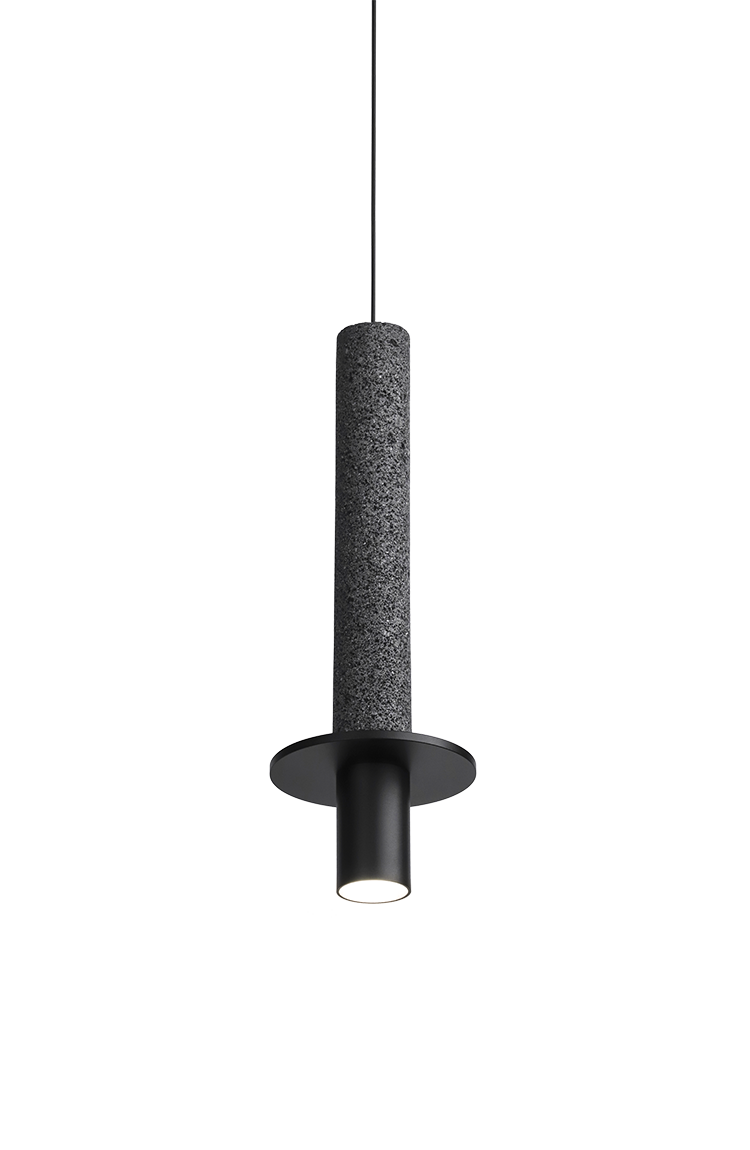
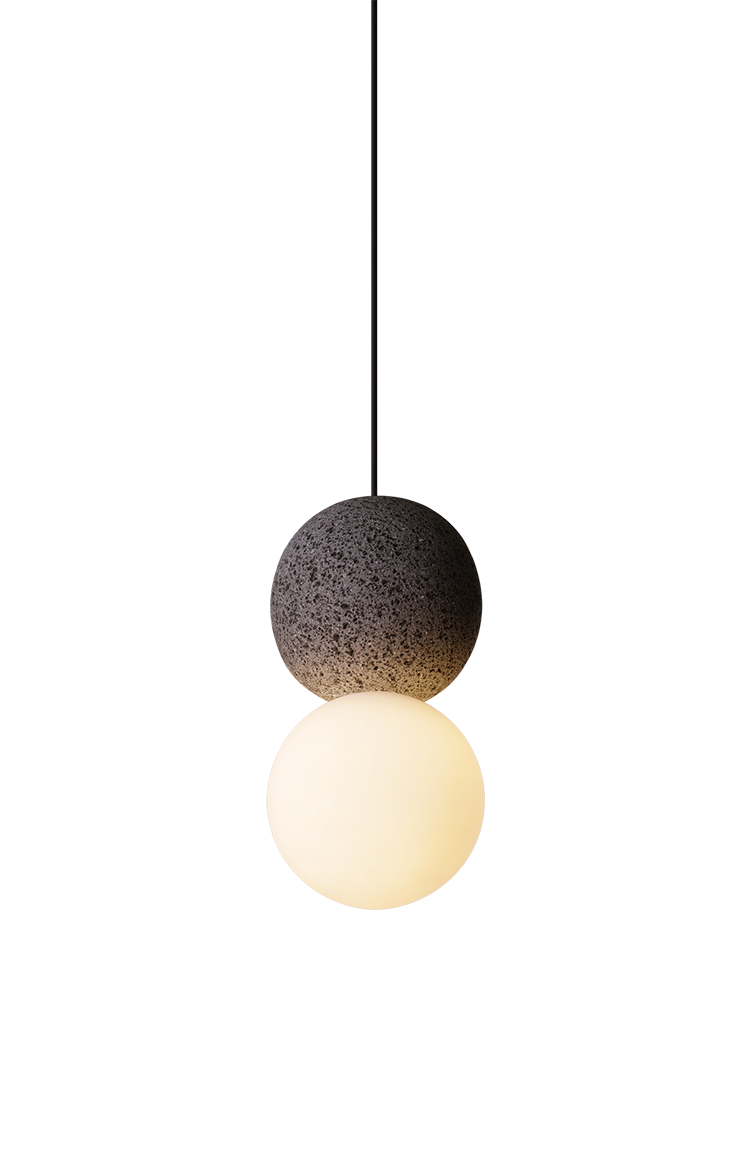
Recinto Volcanic Stone
Volcanic stone is forged by the Earth’s raw power, a material of resilience deeply embedded in Mexican tradition. Used for millennia in tools, buildings, and molcajetes, it carries the story of strength and endurance. Its porous texture and natural patterns reflect the unyielding force of nature, while artisans continue to honor this timeless material by blending traditional techniques with contemporary design.
RECINTO
Its porous texture
and raw beauty reveal
the unrelenting force
of nature.
PROCESS
In Michoacán, the stone
is often hand-turned
and textured, ensuring
each piece maintains its
organic patterns.
MOLCAJETE
For centuries, volcanic
stone has played a crucial
role in Mexican daily
life.
ARCHITECTURE
Used for over 3,500
years, it embodies both
functionality and artistry.
Origin
Formed by rapidly cooling lava after an eruption, volcanic stone has been used in Mexico for thousands of years. Mesoamerican cultures valued its strength, incorporating it into sculptures, kitchen tools, and architecture. Today, it remains essential in Mexican craftsmanship, linking tradition with everyday life.
VARIATION IN TEXTURES
CLOSE PORES
MEDIUM OPEN PORES
DETAIL OPEN PORES
PROCESS
PROCESS
STONE CUTTING
WOKSHOP
Culture and Significance
Volcanic stone symbolizes the strength and resilience of Mexican culture. Used for over 3,500 years in tools like the molcajete and metate, as well as in historical buildings, it embodies both artistry and functionality. This enduring material connects the past with the present, forming a continuous thread in Mexican heritage.
Crafting Process
Volcanic stone is carefully extracted, with texture and density varying based on excavation depth. Skilled artisans hand-cut, shape, and refine each piece, preserving organic patterns. In Michoacán, artisans often hand-turn and texture the stone, maintaining its natural beauty. The material’s weight gives it stability, ideal for functional or decorative uses.
Traditional Uses
Volcanic stone has been integral to Mexican life for centuries, most notably in the molcajete and metate for grinding maize, spices, and cacao. Its use extends beyond the kitchen, appearing in ancient temples and modern architecture. Its resilience and timeless beauty continue to shape Mexican culture and design.